

Bradley Smith put the Harley-Davidson x Dynojet Factory Racing machine on top at Circuit of The Americas on Saturday, and if you've been watching the King of the Baggers series this season, you already know how hard that W is to earn. These are purpose-built weapons that look like touring bikes and run like racebikes — and the gap between what they're doing at the front of the grid and what's sitting in your garage is narrower than you think.
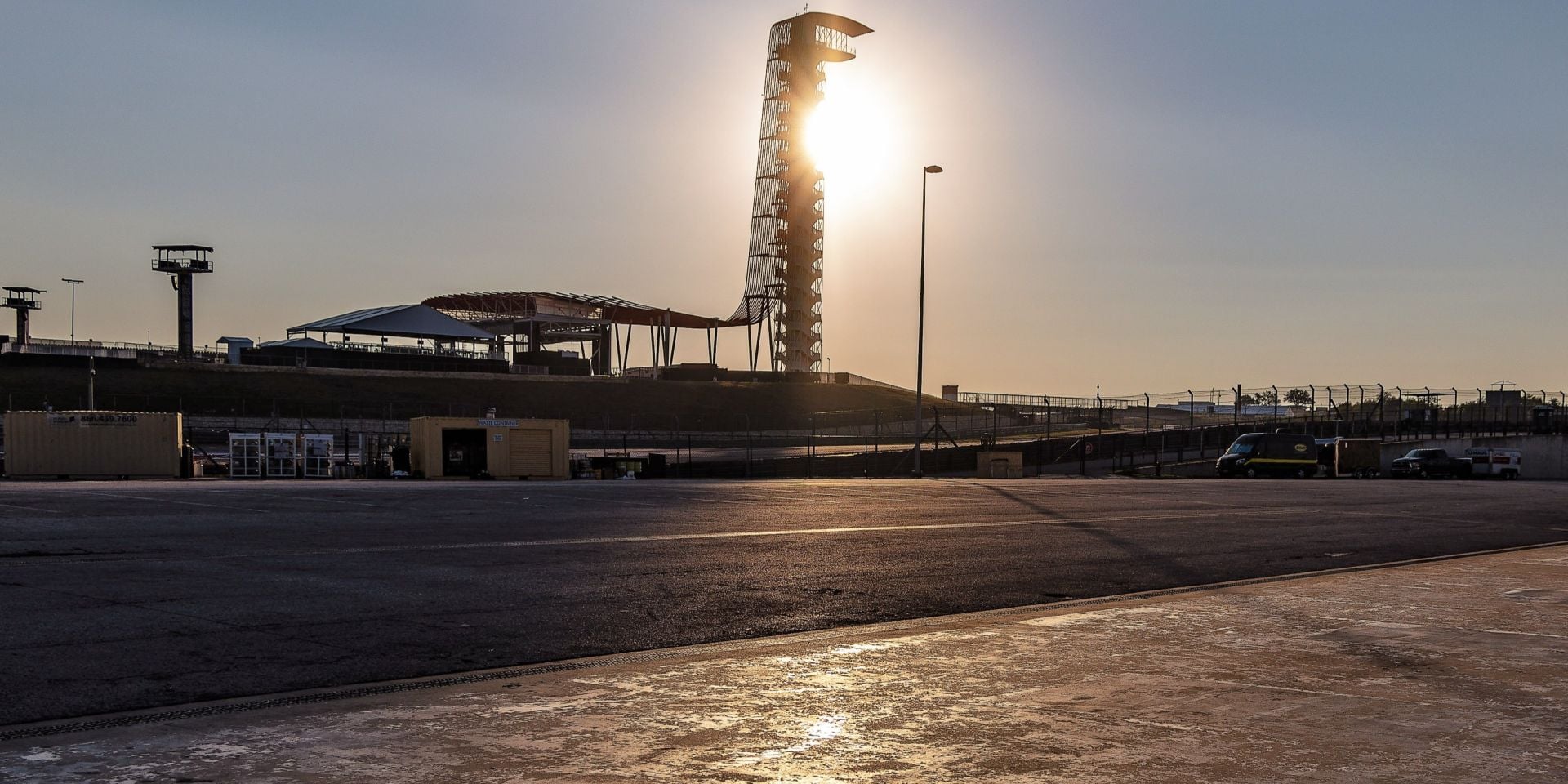
COTA Race Results: Full Finishing Order
Here's how Saturday's MotoAmerica Mission King of the Baggers Challenge sprint race shook out at Circuit of The Americas:
1. Bradley Smith — Harley-Davidson x Dynojet Factory Racing
2. Troy Herfoss — J&P Cycles/Motul/Vance & Hines Factory Indian
3. Hayden Gillim — J&P Cycles/Motul/Vance & Hines Factory Indian
4. Kyle Wyman — Harley-Davidson x Dynojet Factory Racing
5. Rocco Landers — J&P Cycles/Motul/Vance & Hines Factory Indian
Smith on top, Herfoss and Gillim holding down second and third for the Indian camp, Wyman rounding out the Harley contingent in fourth, and Landers closing out the top five — this is Factory Indian versus Factory Harley at the highest level of bagger racing on the planet, and it does not get cleaner than that. Note that Hayden Gillim had already put his Indian Challenger on pole the day before, so the V&H/Indian outfit came to Austin ready to fight on both days.
What COTA Demands From a Performance Bagger
Circuit of The Americas is not a friendly track. The 3.4-mile layout features elevation changes that test suspension setup, heavy braking zones that punish anything not properly dialed in on the front end, and a mix of slow technical corners and high-speed sweepers that demand a wide power band. Running a full-dress bagger — a machine that starts life as a 900-pound highway cruiser — through that circuit at race pace requires every system on the bike to be sorted.
Suspension is where you either win or get beaten into the ground at COTA. The factory Harley and Indian teams are running fully adjustable race-spec units front and rear. For your Road Glide or Street Glide, the baseline upgrade path starts with performance rear shocks — the stock units simply do not have the damping control to handle corner-exit forces at elevated speeds, and you'll feel that on any technical track day or canyon run before you ever get near a race circuit.
Braking is the other conversation. COTA's Turn 11 hairpin and the Turn 12 complex demand brutal, confident deceleration from high speed. The factory teams are on full race brake packages. Street riders building toward track-day performance should be looking at upgraded bagger brake kits — better rotors, better pads, more bite, more heat tolerance. It is not a luxury. It is the part that determines whether you can push harder into corners or spend the entire lap waiting to feel safe enough to go faster.
The Engine Story: Milwaukee Eight vs. Indian PowerPlus
Saturday's race was a clean one-two split: Harley's Milwaukee Eight platform on top, Indian's PowerPlus-based race engine holding second and third. This Harley-versus-Indian rivalry is the backbone of what makes King of the Baggers compelling — two legitimately different engine architectures, two different factory camps, zero quarter asked or given.
On the Harley side, the Milwaukee Eight 117 is the starting point for most serious performance builds. From there you are looking at cams, heads, intake, exhaust and tuning. The Milwaukee Eight cam upgrade is one of the highest-return modifications in the platform — better lift and duration profiles transform mid-range torque and top-end pull in ways that bolt-on intake or exhaust alone cannot replicate. If you are building toward performance and you have not touched the cams, you are leaving power on the table.
Pairing the cam work with a proper performance bagger exhaust is how you turn individual gains into a system. The factory Vance & Hines-equipped Indian bikes running Herfoss and Gillim made that statement in plain view Saturday — exhaust is not just sound, it is scavenging, it is backpressure management, it is the difference between a tuner being able to extract real numbers and fighting the stock system the whole way through the dyno sheet.
Tuning: The Part That Ties It All Together
None of the hardware works right without a proper tune. The factory Harley team is running Dynojet — that partnership is on the side of Smith's bike in black and white. For street builds, a Dynojet Power Vision fuel tuner is the piece that makes all your other modifications actually perform. Running aftermarket cams, exhaust and intake on a stock tune is not a performance build — it is a parts list waiting to be dialed in. Get on the dyno, get the tune right, and every dollar you spent on hardware pays off the way it's supposed to.
What the Vance & Hines/Indian Partnership Tells You About Exhaust
The J&P Cycles/Motul/Vance & Hines Factory Indian team did not finish second and third at COTA running stock pipes. Vance & Hines has been a foundational name in American V-twin performance for decades, and their presence on the factory Indian effort is a direct statement about what proper exhaust engineering does for a high-output engine under race conditions.
For Indian platform riders, the principles are identical to the Harley side — better flow in, better flow out, more surface area for the tuner to work with. For Harley riders, Vance & Hines bagger exhaust systems bring that same race-developed philosophy to your Street Glide or Road Glide. The factory teams are the proof-of-concept. Your street build is where you apply the same logic at a level you can actually ride to work on Monday.
Intake and Airflow: The Other Half of the Equation
Engine output is a function of airflow — air in, fuel mixed, combustion, exhaust out. Most riders spend heavily on exhaust and underinvest in intake. The factory bikes running at COTA are not pulling air through a restrictive stock airbox. They are getting maximum airflow to the throttle body, which is why the power numbers they are running are possible.
For your Milwaukee Eight or Indian PowerPlus build, a high-flow performance air cleaner is a direct complement to any exhaust upgrade. Better intake flow raises the ceiling for everything downstream — fuel delivery, combustion efficiency, exhaust scavenging. Run a quality air cleaner, tune for it properly, and you are building a system instead of just bolting parts on.
Tires: The Contact Patch That Makes All of It Matter
Dunlop Sportmax Slicks are the Official Tires of the MotoAmerica Series. That matters because the factory teams — Smith, Herfoss, Gillim, Wyman, Landers — are all running on the same Dunlop rubber at COTA, and the results you see represent what those tires can do under race conditions with professional riders aboard fully developed machines.
For street performance riders, the parallel is understanding that your tire choice is the last point of contact between everything you have built and the actual road. A properly sorted performance bagger on tires that cannot translate the chassis and engine work into grip is a system with a bottleneck at the worst possible point.
The Bigger Picture: What COTA Proves About the Platform
Bradley Smith winning at Circuit of The Americas on a bagger — a motorcycle that the mainstream riding world still occasionally dismisses as a highway cruiser — is not a novelty in 2026. It is a demonstration of how far the performance bagger platform has evolved, and how serious the factory teams, the tire partners and the aftermarket ecosystem behind King of the Baggers have become.
Kyle Wyman in fourth for the Harley camp reinforces that this was not a one-bike story on Saturday. The entire grid is competitive. Rocco Landers in fifth, still in the hunt on the Indian side, shows depth across the field. This is a legitimate professional racing series, and the parts philosophy behind these race builds — exhaust, cams, suspension, intake, fuel management — translates directly to what you can do with your own Road Glide or Street Glide in the real world.
Your bike is closer to what ran at COTA than you might think. The platform is the same. The question is how far you want to take it.
Start with the hardware that makes the biggest difference: performance cams for your Milwaukee Eight and a full bagger exhaust system are the foundation of any serious build. Dial it in with proper fuel management, upgrade your suspension and brakes for confidence at the limit, and you are building the same way the factory teams do — systematically, with every component working together. Shop our bagger performance parts collection and our exhaust systems at vtwinbikers.com and put the lessons from COTA to work on your own machine.