

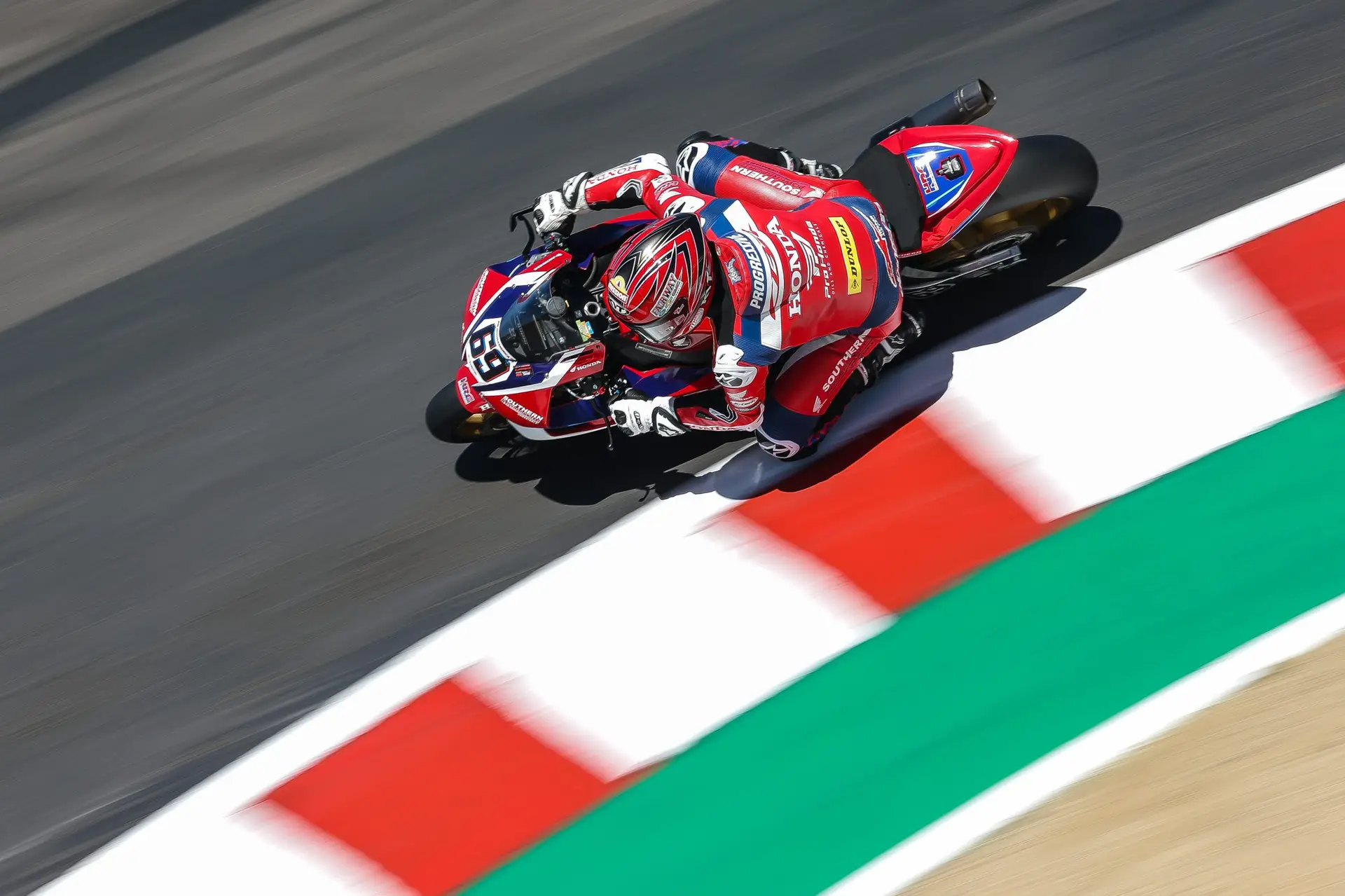
Hayden Gillim is 31 years old and riding the best racing of his life. If you follow King of the Baggers at all, that sentence should mean something to you — because the series has become the highest-profile showcase for what a purpose-built performance bagger can actually do at race speed, and Gillim has planted himself squarely at the front of that conversation.
The Bloodlines Behind the Helmet
Gillim comes from one of the most decorated motorsports families in American racing history. Roger, Tommy and the late Nicky Hayden are all cousins — a lineage that puts serious, generational racing knowledge in his corner before he ever threw a leg over a bike competitively. He has been a presence at racing venues since before his teenage years. That kind of immersion doesn't produce casual racers. It produces people who think about chassis dynamics, corner entry, and power delivery the way most people think about their morning commute.
But bloodlines don't win races. Hardware does — and the hardware that wins in King of the Baggers is increasingly relevant to what you can bolt onto your own touring machine.
What King of the Baggers Actually Demands From a Motorcycle
Forget what you think a bagger is. The machines competing in MotoAmerica's King of the Baggers series are not stock Road Glides with a number plate zip-tied to the fairing. These are bikes built from the frame out to survive sustained wide-open-throttle laps at venues like Daytona, Laguna Seca and Road America. Every component on a competitive bagger — exhaust, suspension, brakes, air delivery, fueling — has been selected for one reason: performance under race conditions.
The exhaust system is where most riders start when they want to unlock real power on a Milwaukee Eight. Race teams run full exhaust systems that eliminate backpressure, reduce weight and open up the tuning window for the ECU. If you are running stock pipes on your touring bike, you are leaving power on the table every single ride. A performance exhaust system is the single highest-return first modification on a big twin touring platform — period.
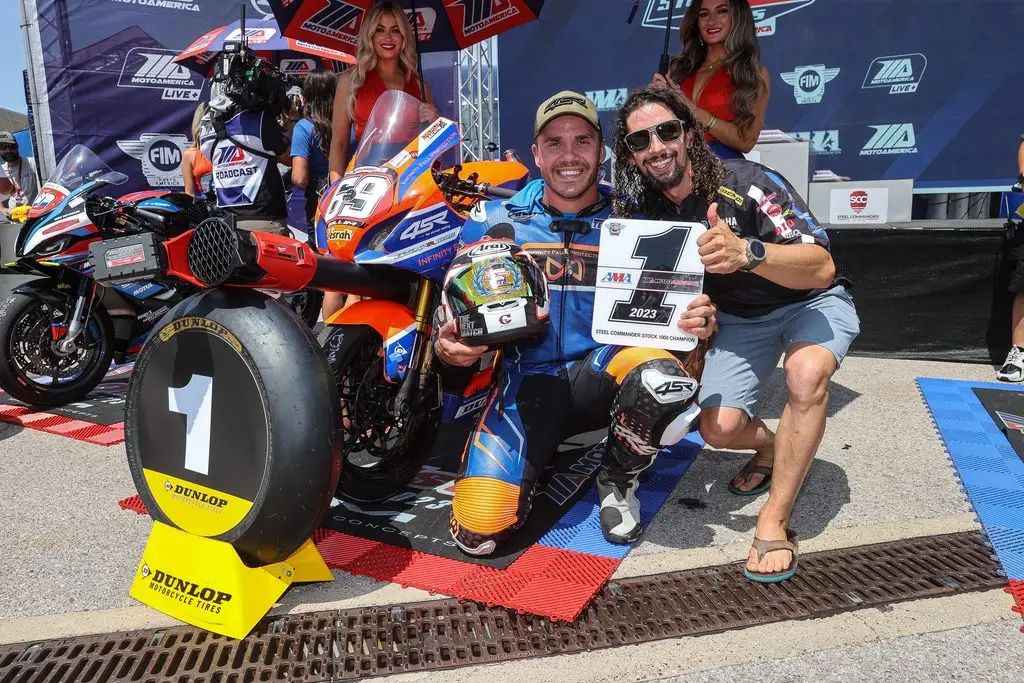
Air delivery is the other half of that equation. You cannot flow more fuel without flowing more air. Race baggers run high-flow performance air cleaners sized to match their exhaust and cam profiles. On a street build, that same principle applies: if your exhaust is open but your intake is still strangled by a stock airbox, you have solved half the problem.
The Cam Is the Engine's Brain
If you want to understand where the real power in a King of the Baggers motor comes from, you have to talk about camshafts. The Milwaukee Eight in stock configuration is a capable engine, but its cam timing is a compromise — optimized for emissions compliance and broad street usability, not peak output. Race teams replace that compromise immediately.
A performance Milwaukee Eight camshaft reshapes the entire power curve. Depending on your grind selection, you can move peak torque lower in the RPM range for harder launches, or push peak horsepower higher for top-end pull on long straightaways. Either way, the result is an engine that is doing what you actually want it to do, not what a regulatory committee decided was acceptable. Pair a cam swap with your exhaust and air cleaner, get the bike on a dyno, and you are building something that resembles what these race teams are starting with.
Suspension: The Piece Most Street Riders Ignore
Gillim and every other front-running King of the Baggers competitor is not out there on stock suspension. The geometry, spring rates and damping on a stock touring bike are calibrated for a 250-pound rider at highway speeds with luggage — not for aggressive corner entry or mid-corner stability under hard acceleration. Race baggers run fully adjustable suspension front and rear, tuned to the specific track surface, rider weight and tire compound.
For your street build, the gap between stock and aftermarket suspension is enormous and consistently underestimated. A set of performance bagger shocks transforms the way a touring bike handles. Not just in corners — in everything. Braking stability, straight-line tracking on rough pavement, confidence under hard acceleration. If you have spent money on engine modifications and are still riding on stock shocks, you are holding back everything you already paid for.
The front end matters just as much. fork cartridge kits replace the damping internals in your stock forks with adjustable, race-derived components that let you dial in compression and rebound to your actual riding style. It is the same principle race teams use, scaled for street use.
Brakes: You Have to Stop What You Build
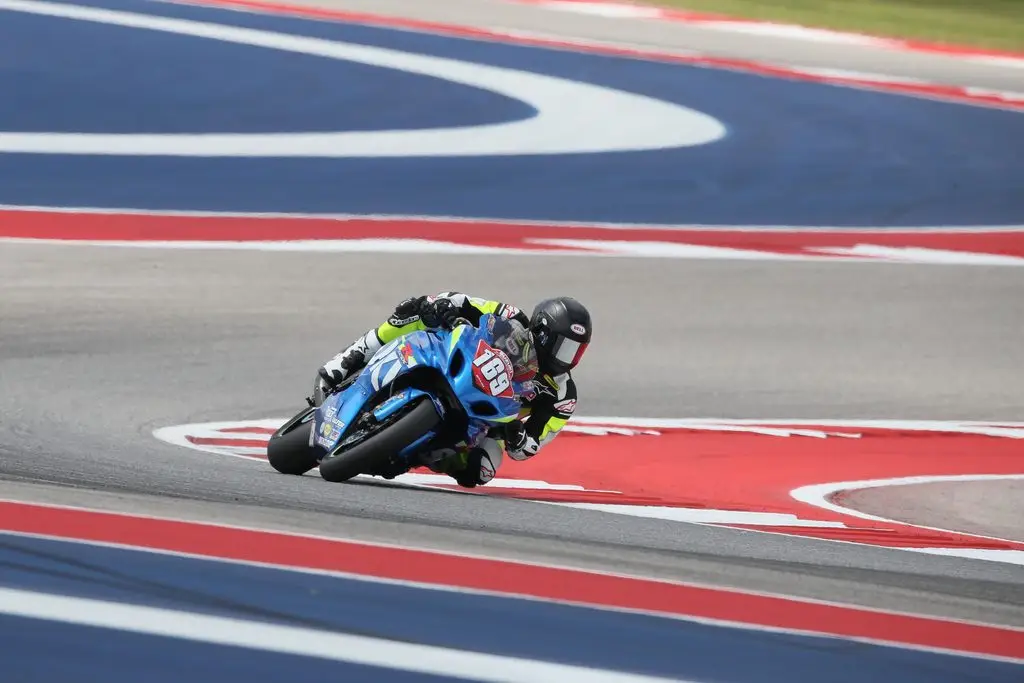
More power and better suspension create a faster motorcycle. A faster motorcycle demands more from its braking system. This is not optional — it is physics. King of the Baggers bikes run oversized rotors and high-performance calipers specifically because the stock braking hardware is not sized for repeated hard stops from race speeds.
On the street, you may not be braking from 150 mph into a hairpin, but fade resistance, modulation and initial bite still matter every time you need to stop hard in traffic or scrub speed before a tight corner. Upgrading to performance brake pads and rotors is a safety and performance decision simultaneously. This is one of the few places where those two things are exactly the same thing.
Fueling and Tuning: The Work That Ties It Together
Every modification you make to the intake, exhaust or cam profile changes what the engine needs from a fueling standpoint. Race teams do not bolt parts on and hope for the best — they tune. Every combination of parts gets mapped on a dyno, with air-fuel ratios optimized across the entire RPM range under load.
For your build, that means a fuel management tuner is not optional if you are serious about the modifications you have made. Running a lean air-fuel ratio on a modified Milwaukee Eight is how you damage pistons and valves. Running rich wastes fuel and kills throttle response. A proper tune, done on a dyno with your actual parts combination, is what separates a fast bike from a fast and reliable bike.
This is the part of building a performance bagger that most riders shortcut — and the part that King of the Baggers competitors never skip. The dyno session is not an afterthought. It is the point where everything you have invested in hardware actually pays off.
What Gillim's Rise Tells You About the Series
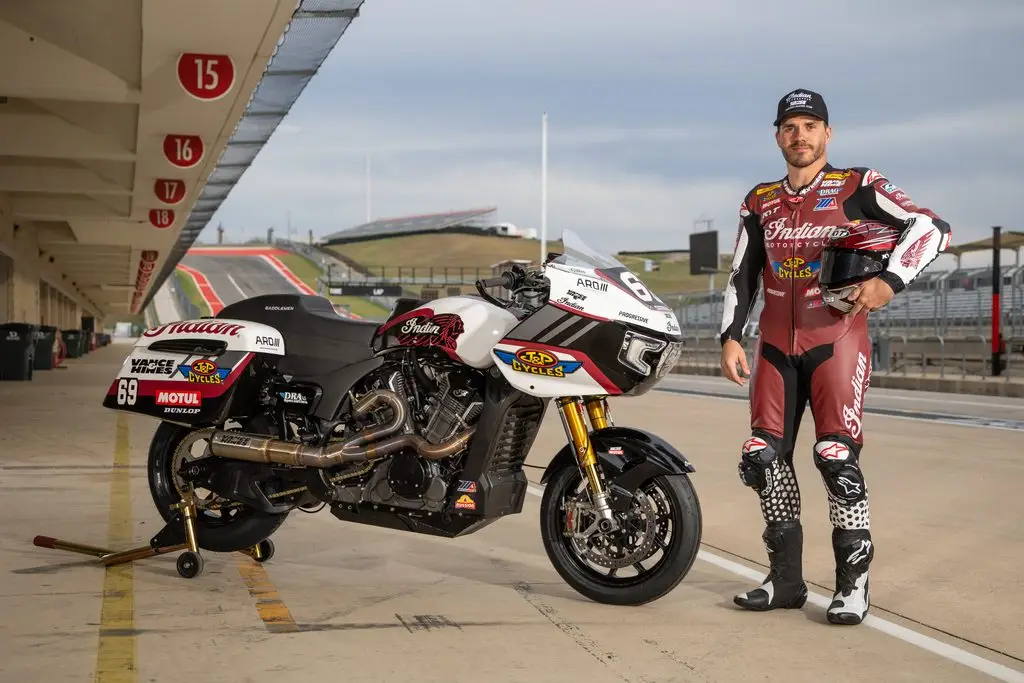
Gillim's quote says it plainly: right now, he is riding a good wave. That wave is not accidental. It is built on preparation, on hardware that works, and on the kind of deep mechanical understanding that comes from growing up inside a racing family. He did not arrive at the front of the King of the Baggers field by chance — he arrived there because every component on his race bagger is doing exactly what it needs to do.
That is the lesson that transfers directly to your build. The riders winning in King of the Baggers are not operating on magic. They are operating on proven parts, proper tuning, and accumulated seat time. You may not be racing at Daytona, but the same principles that put Gillim at the front of the field apply to every mile you ride.
The performance bagger category exists because riders demanded more from their touring machines. Gillim and his competitors prove every race weekend that these bikes can perform at a level most people never expected when the class launched. Your Road Glide or Street Glide is capable of more than it is currently delivering — and the parts to get there are the same categories the race teams reach for first.
Build Your Own Wave
Gillim is on a good wave. You can build your own. Start with the fundamentals — exhaust, air, cam, tune — and add suspension and brakes as your build evolves. Every dollar you put into proven performance hardware closes the gap between your street bagger and the machines you watch tear up the front straight at MotoAmerica rounds.
Shop our performance exhaust systems and bagger suspension upgrades at vtwinbikers.com and start building the touring bike you actually want to ride.