

Bradley Smith and the Harley-Davidson x Dynojet Factory Racing team left WeatherTech Raceway Laguna Seca with exactly what they came for — a win. If you've been watching MotoAmerica's King of the Baggers series and wondering what separates the bikes crossing the line first from the ones fighting for position mid-pack, the answer comes down to the same performance fundamentals that matter on your bike in the real world: power, suspension, braking and the tuning that ties it all together. Performance exhaust and race-spec high-flow air cleaners are where most serious builds start — and the factory teams don't skip those steps either.
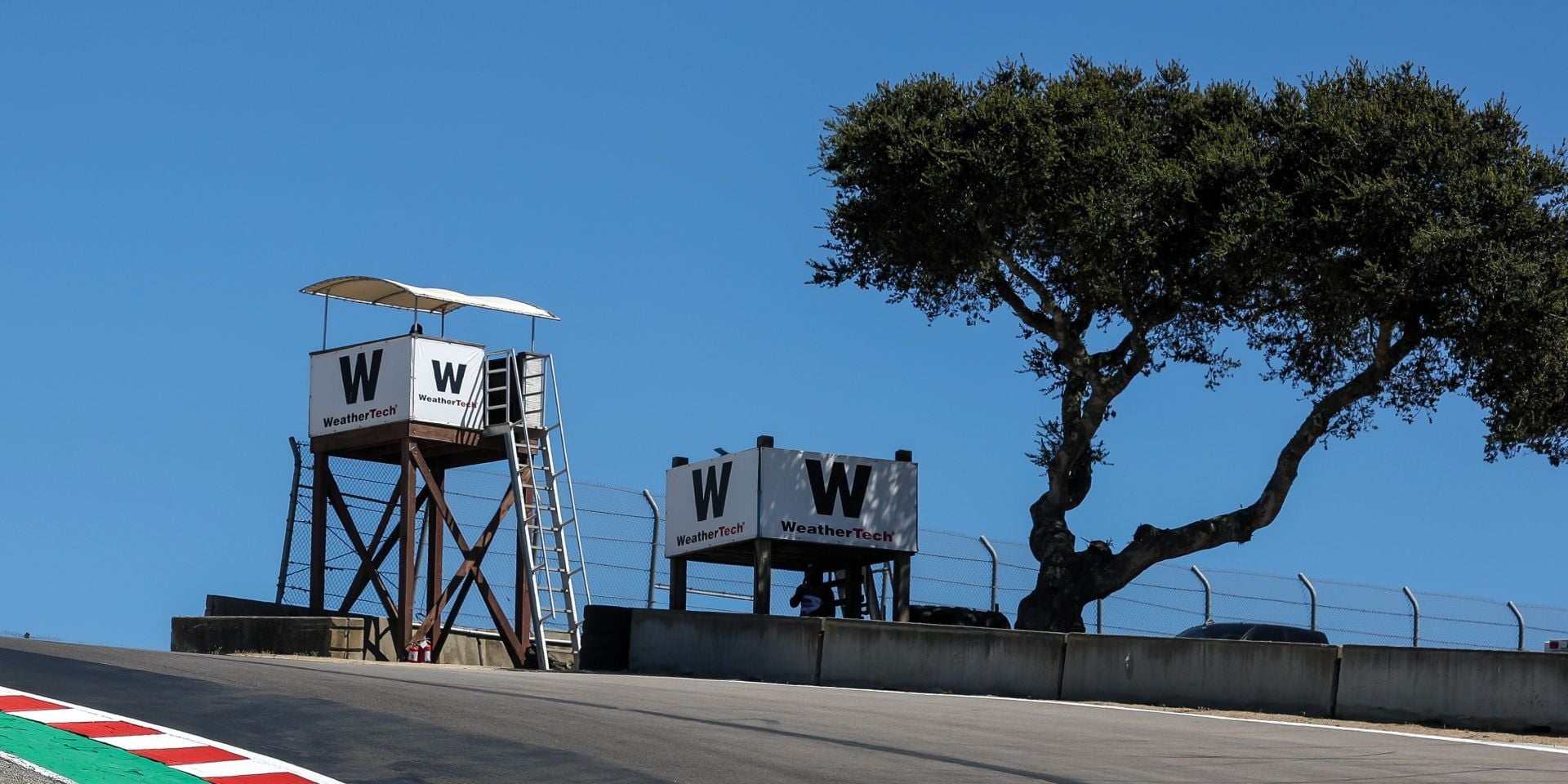
Saturday's Result: Smith on Top at the Corkscrew
Saturday's MotoAmerica King of the Baggers race at WeatherTech Raceway Laguna Seca produced the following top five:
1. Bradley Smith — Harley-Davidson x Dynojet Factory Racing
2. Troy Herfoss — J&P Cycles/Motul/Vance & Hines Factory Indian
3. Hayden Gillim — J&P Cycles/Motul/Vance & Hines Factory Indian
4. Tyler O'Hara — SDI Racing
5. Kyle Wyman — Harley-Davidson x Dynojet Factory Racing
Smith took the top step ahead of a hard-charging Indian Challenger contingent. Troy Herfoss, who had qualified on pole position going into the weekend according to updated pre-race reporting, converted that front-row start into a podium but couldn't hold Smith off for the win. Teammate Hayden Gillim rounded out third, giving the J&P Cycles/Motul/Vance & Hines Factory Indian program a one-two punch on the podium — just not quite enough to take the top spot away from the Harley side of the garage.
Tyler O'Hara kept SDI Racing in the mix with a fourth-place finish, and Kyle Wyman backed up Smith's win for the Harley-Davidson x Dynojet effort with a fifth — a solid team day for the Milwaukee brand at one of the most technically demanding tracks on the MotoAmerica calendar.
Why Laguna Seca Exposes Every Weak Link in Your Build
WeatherTech Raceway Laguna Seca is not a track that forgives soft setups. The elevation changes are brutal — the Corkscrew drops nearly six stories in the span of a couple hundred feet — and the combination of tight, technical sections with the high-speed Andretti Hairpin approach means your bagger has to be sorted in every department simultaneously. The factory teams run full suspension rebuilds, race-compound tires and heavily modified drivetrains precisely because this track demands it.
For the street-performance rider, that translates directly. If your touring rig is still running stock suspension, Laguna Seca's broadcast is a good reminder of how much a proper rear shock upgrade changes the behavior of a heavy bike under hard cornering and braking load. The factory teams aren't running anything resembling stock suspension geometry or damping rates, and the difference in cornering confidence is visible on camera every single lap.
Braking performance is the other major variable Laguna Seca exposes. The downhill approach into turn two and the late-braking demands at the Andretti Hairpin put enormous heat into rotors and pads. Race teams spec their brake packages carefully — performance brake pads and rotors are one of the highest-return upgrades you can bolt onto a touring bike if you're pushing hard on canyon roads or track days. Stock Harley and Indian braking hardware is adequate for street riding at legal speeds. It is not adequate once you start exploring the limits of a modified bagger.
The Engine Side: What's Making Power in the Factory Bikes
Both the Harley-Davidson and Indian factory efforts run engine packages that are dramatically different from what rolls out of the factory showroom floor. On the Milwaukee Eight platform, that means aggressive camshaft profiles, high-compression pistons, ported heads and fueling calibration dialed in specifically for the power band the race format rewards. The Indian Challenger side has its own engineering approach, but the output goals are the same: maximum torque through the usable RPM range, with top-end power that holds through the longest straights on the calendar.
For your Road Glide or Street Glide, the camshaft is the single most impactful engine modification you can make after exhaust and air intake. A well-chosen Milwaukee Eight cam upgrade reshapes your torque curve in a way that no bolt-on accessory can replicate. Pair that with a fuel tuner or power commander to recalibrate your fueling for the new airflow characteristics, and you're talking about a transformation in throttle response and mid-range pull that riders notice immediately.
The factory teams running Dynojet equipment at the race level gives you a direct line back to the street. Dynojet's Power Vision and PowerCore platforms are race-developed tools that road riders can use for the same purpose: making sure your engine is burning fuel efficiently across the entire throttle map, not just at the narrow operating points the factory ECU was calibrated for.
Exhaust and Airflow: The Foundation Every Factory Bike Starts With
Vance & Hines is a name you see in the J&P Cycles/Motul/Vance & Hines Factory Indian team title for a reason. Exhaust tuning is foundational to every serious bagger build, at any level. Before you get into camshafts, before you start thinking about displacement, the exhaust system sets the scavenging characteristics and back-pressure profile that determines how efficiently your engine breathes on every combustion cycle.
On the Indian Challenger platform, the factory racing effort benefits directly from Vance & Hines' decades of development on big V-twin touring bikes. On the Harley side, the aftermarket is equally deep. Whether you're running a 107, 114 or 117 Milwaukee Eight, there are exhaust systems specifically engineered for your displacement and intended use — from aggressive race-style headers to slip-ons that make real power gains without requiring a full header swap.
The same logic applies to intake. A performance air cleaner that flows more volume than the stock airbox isn't just about the dyno number — it's about throttle response and the way the engine feels from idle through mid-range. Race teams don't run restrictive intake systems, and neither should your build if you're serious about performance.
Reading the Leaderboard: What the Points Picture Means Going Forward
The Laguna Seca result keeps the Harley-Davidson x Dynojet Factory Racing effort in strong position in the MotoAmerica King of the Baggers standings. Smith's win adds maximum points to his championship tally, while Wyman's fifth adds supporting points to the team's collective effort. The J&P Cycles/Motul/Vance & Hines Factory Indian program with Herfoss and Gillim on the podium keeps that manufacturer's title campaign very much alive — a 2-3 finish is a big day in points terms even if the win went to the other side of the garage.
Tyler O'Hara in fourth for SDI Racing continues to show that a well-developed Independent effort can run with the factory programs. O'Hara has consistently been a top-five threat across multiple MotoAmerica seasons, and his presence near the front at Laguna Seca is a data point worth noting as the series continues.
The MotoAmerica King of the Baggers championship runs on a tight schedule, and each remaining round carries enough points to shift the standings significantly. The teams know this — which is why reliability and consistency matter as much as outright speed at this level. A DNF from a mechanical failure on either manufacturer's flagship entry could hand the championship battle to the other side. Race preparation at this level is engineering, not guesswork.
What Saturday's Race Tells You About Your Next Build Step
Every MotoAmerica round is a live engineering test. The conditions at Laguna Seca — the elevation, the heat, the technical demands of the track layout — stress-test every component on those bikes in ways that translate directly to real-world performance requirements. When you watch Smith take the win and then go back to look at what makes those factory builds perform, you're looking at a prioritized parts list for your own Road Glide or Street Glide.
Start with airflow and fueling. Add suspension that actually controls a 900-pound motorcycle under load. Upgrade your braking hardware before you need it. Then get into the cam and engine work once the supporting systems are sorted. That's the sequence the factory teams follow in development, and it's the sequence that produces the best results on the street and at the track.
If you're ready to start putting that performance into YOUR build, shop our performance exhaust systems and bagger suspension upgrades at vtwinbikers.com — the same categories of components that separate the bikes at the front of the King of the Baggers field from the ones running mid-pack. Every bolt-on starts somewhere, and the fastest way to close the gap between your touring rig and what you're watching on the MotoAmerica broadcast is to start with the parts that deliver the most measurable return on a real street bike.