

Every point on the board right now is worth double what it was in May. Five of MotoAmerica's feature classes are back at Mid-Ohio Sports Car Course this weekend, and the championship math is getting brutal. If you follow King of the Baggers racing — or if you're building a touring bike that takes its cues from the machines running those 15 turns — this is the race weekend you don't look away from.
Performance bagger exhaust systems and high-flow air cleaners that actually earn their keep on a street bike trace their development directly to what happens on tracks like Mid-Ohio. Pay attention.
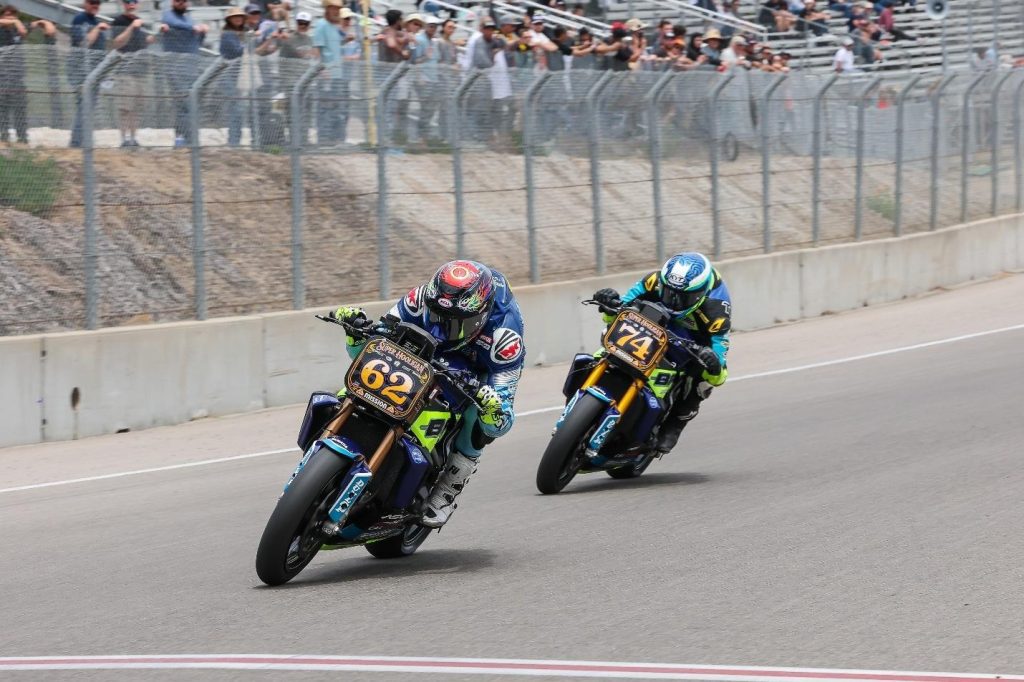
Why Mid-Ohio Is a Different Kind of Test
Mid-Ohio Sports Car Course is a legitimate road course — 2.4 miles, 15 turns, elevation changes that load and unload suspension in ways a simple oval never will. For the bagger class specifically, that combination punishes every weak link in a build. Braking stability into the carousel, drive out of slow corners, front-end feel through the esses — you can't hide a soft setup here the way you might on a shorter, flatter track.
The course has hosted professional road racing for decades. It respects nothing. A King of the Baggers machine that's been dialed in for horsepower but neglected in the chassis department will get exposed lap after lap. That's what makes the championship points earned here so legitimate. You have to be sorted from front to back.
For anyone building a Road Glide or Street Glide with performance intentions, Mid-Ohio is essentially a proof-of-concept event for the parts category you're shopping. If it survives and wins here, it's engineered correctly.
What's Actually Racing in Ohio This Weekend
MotoAmerica's format for this round brings five feature classes to the grid — and while we're focused on the heavyweight iron, it's worth understanding the full competitive context. The championship battles are tightening across every class, which means the points leader in each series is riding with pressure that tends to produce either brilliance or mistakes.
For the King of the Baggers class specifically, the 2.4-mile layout demands a machine that balances outright top-end power with the kind of chassis composure that keeps a 700-plus-pound touring bike planted and predictable under hard braking. These aren't light bikes. They're not supposed to be. The engineering challenge — and the reason this class has captured so much attention from the performance community — is making a real touring machine go fast without turning it into something unrecognizable.
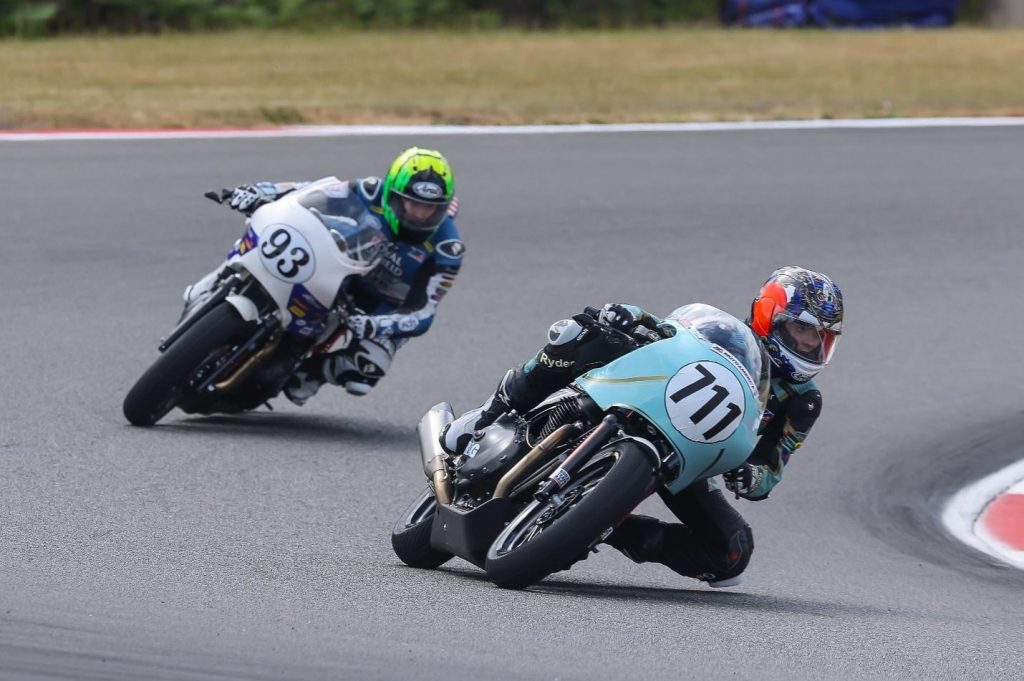
The production-based rules framework means the lessons are transferable. When a team finds a suspension calibration that works on a Milwaukee Eight-powered bagger at Mid-Ohio, those same principles apply to your build.
The Suspension Equation at a Technical Track
Let's talk about what Mid-Ohio actually demands from a bagger's suspension, because this is where most street builds leave the most performance on the table.
The 15-turn layout includes long-radius sweepers where chassis balance is critical, plus tight infield sections where the bike has to transition direction quickly for something with this much wheelbase and mass. Factory suspension on a touring Harley is calibrated for passenger comfort and luggage loads — not threshold braking at 100-plus mph into a downhill corner.
The race teams have known this for years. Progressive or aftermarket bagger rear shocks are one of the first serious modifications a performance-oriented touring rider should make, and the Mid-Ohio course makes that argument visually every lap. Watch the way a race-prepped bagger tracks through the carousel compared to stock geometry and you'll understand immediately.
Front-end upgrades matter just as much. Upgraded fork springs and properly valved cartridge emulators change what a touring bike can do under braking in a way that isn't subtle. On the street, the benefit is real-world confidence — the front doesn't dive and wander when you squeeze hard into an unexpected situation. On a track like Mid-Ohio, it's the difference between a rider who can push and one who's just managing.
Power Delivery: What the M8 Needs to Compete
The Milwaukee Eight platform — both the 114 and the 117 cubic inch variants — is a strong foundation. Factory output in the 107-114 horsepower range is respectable, but the race-level machines running King of the Baggers have pushed well beyond that with carefully selected engine work. The platform responds well to displacement upgrades, cam swaps and breathing modifications.

For a street build working toward real performance, the modification sequence that mirrors what the race teams prioritize looks like this:
Exhaust First, Always
The factory exhaust on a touring Harley is a restriction by design — emissions compliance, sound regulations and cost all shape it into something that leaves power on the table. A full performance exhaust system is where the dyno numbers start moving. On the Milwaukee Eight, proper header diameter and collector design matters more than most riders realize — it's not just about the muffler end. The race teams run full systems optimized for the entire exhaust pulse wave, and the street-legal equivalents from serious manufacturers carry those same engineering principles.
Cams and Breathing
Once you've opened up the exhaust, the intake side needs to match. A performance camshaft swap on the Milwaukee Eight is one of the highest-return modifications available — you're changing the fundamental timing of the engine's breathing cycle, not just reducing a restriction. Pair that with a performance air cleaner that flows enough to feed the bigger cam's appetite, and you're building the same foundation the race teams start from before they go further.
Tuning after any of these changes isn't optional. A proper dyno tune on a fuel management tuner locks in the air-fuel ratio and ignition timing for your specific combination of parts. Without it, you're leaving power on the table at best and running lean conditions that shorten engine life at worst. The race teams know exactly what their engines are doing on every cylinder at every RPM. Your street build deserves the same discipline.
Championship Pressure and What It Reveals
Here's what makes this particular Mid-Ohio round interesting from a pure racing standpoint: the home-stretch pressure of a tightening championship changes how teams operate. Conservative setups get abandoned. Teams that have been nursing a points lead start making the kind of aggressive tuning calls they'd avoided earlier in the season.
That pressure reveals which combination of parts and engineering is actually robust — not just fast on a perfect day, but reliable under the sustained stress of a full race distance when everything is on the line. The transmissions, the brake systems, the engine internals — everything gets tested at the limit when the championship is close.
For the performance bagger community watching from the outside, this is valuable information. The parts that survive King of the Baggers racing under championship pressure are the parts worth putting on your Road Glide. This isn't a spec series with controlled components — teams are sourcing, developing and validating real performance parts under real race conditions. The winners of that validation process are the products that end up on the shelves of shops that take bagger performance seriously.
Building Your Bagger With Race-Proven Intent
The five MotoAmerica classes competing at Mid-Ohio this weekend represent different disciplines, but King of the Baggers is the one with the most direct line to what performance touring riders are building in garages across the country. A Harley-Davidson Road Glide or Street Glide with genuine go-fast intent isn't a novelty — it's a legitimate performance motorcycle in a class that has earned its place on a professional road racing circuit.
The modification path is clear from watching what the race teams prioritize: suspension first to make the chassis trustworthy, breathing and exhaust to liberate the engine, cam timing to optimize the power curve, and fuel management to tie it all together with a proper tune. Every one of those steps has a direct street-legal equivalent that makes your bike faster, more responsive and more confidence-inspiring on the road.
Mid-Ohio is where the 2024 championship push gets real. The points earned this weekend, across all five classes, will define which riders and machines have what it takes to close out a title. For anyone who takes bagger performance seriously — whether you're watching from the stands or building in your shop — this is the weekend to pay attention.
When you're ready to take your own build seriously, shop our performance exhaust collection and our touring suspension upgrades at vtwinbikers.com — built for riders who know what the race track proves.