

Hayden Gillim put the J&P Cycles/Motul/Vance & Hines Factory Indian on the top step at Circuit of The Americas Saturday, winning MotoAmerica Mission King of the Baggers Race One in front of a packed COTA crowd. If you've been watching this series and wondering what separates the front-runners from the pack, the answer is always the same — power delivery, suspension setup and the willingness to push a 900-pound touring bike to its absolute limit on a world-class road racing circuit.
Race One Results: How It Went Down at COTA
Gillim crossed the line first for the J&P Cycles/Motul/Vance & Hines Factory Indian squad. Behind him, Harley-Davidson x Dynojet Factory Racing's Bradley Smith grabbed second — a result that underscores just how competitive the Harley-Davidson platform has become when it's properly developed and tuned at the factory level. Rocco Landers, also running under the J&P Cycles/Motul/Vance & Hines banner, completed an impressive top-three finish for the Indian side of the paddock.
SDI Racing's Tyler O'Hara came home fourth, a rider who has spent years demonstrating that consistency and bike setup matter as much as raw horsepower on a technical circuit like COTA. James Rispoli rounded out the top five for Big Diehl x Harley-Davidson Factory Racing, keeping the Harley contingent well-represented throughout the finishing order.
This is what King of the Baggers looks like at its best — two manufacturers throwing genuine engineering resources at full-dress touring bikes and going door-to-door through corners that would challenge purpose-built superbikes. The gap between first and fifth tells you this field is tight, and it's only going to get tighter as teams refine their setups through the back half of the season.
What COTA Demands From a Performance Bagger
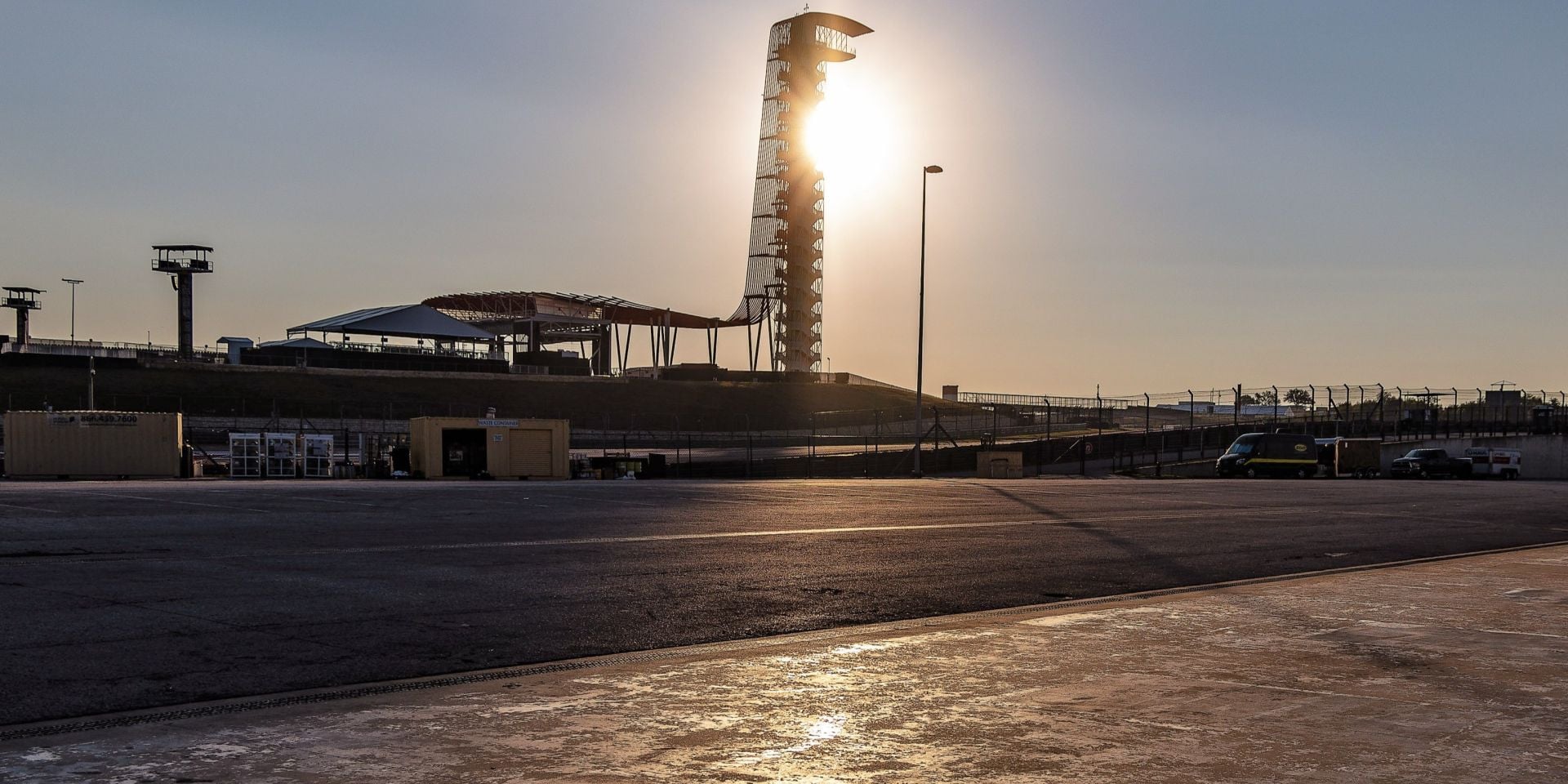
Circuit of The Americas is not a forgiving track. The 3.4-mile layout in Austin features an elevation change of roughly 133 feet from its lowest to highest point, a blind uphill entry at Turn One that catches riders off-guard at any speed, and a technical back section that rewards smooth, confident corner entry over brute-force acceleration. For a touring bike, COTA is essentially a stress test for every system on the motorcycle simultaneously.
Braking performance is paramount. You're hauling a heavy machine into Turn One from over 140 mph, and stock bagger brakes — while adequate for street riding — are not built for that kind of repeated thermal abuse. The factory race teams are running fully developed brake packages, and the lessons they learn at venues like this filter directly into the aftermarket parts that street and canyon riders eventually bolt onto their own machines.
Suspension is equally critical. The undulating surface through COTA's back section puts constant demand on both ends of the bike. The factory squads are running fully adjustable setups front and rear — the kind of componentry that lets a tuner dial in compression and rebound damping to match the track's specific demands. On YOUR Road Glide or Street Glide, upgrading to a proper performance bagger rear suspension is one of the highest-return modifications you can make, whether you're pushing hard on a canyon road or chasing lap times at a track day.
Tires are provided by Dunlop across the MotoAmerica series — the Sportmax Slicks are the spec tire for the professionals, and Dunlop's involvement at this level of competition drives real development that works its way into their street-legal performance lineup. The grip these tires provide is part of why these riders can carry the speeds they do through corners that demand absolute confidence in the front end.
The Indian vs. Harley Battle Is Real
Gillim and Landers going first and third for Indian while Smith goes second for Harley — that's not a fluke result, that's two manufacturers genuinely competing at the highest level of bagger racing. This rivalry has been the engine of King of the Baggers since the series launched, and it's what's driven both platforms to develop at a pace nobody anticipated when the first race went green.
For Harley-Davidson owners, seeing the Milwaukee Eight-based platform compete at this level matters. The factory Harley squads are extracting real performance from the M8 architecture — better breathing, sharper ignition timing, aggressive cam profiles, and tuning that the OEM never intended when they signed off on the production spec. If YOUR bagger is sitting on a stock cam, stock air cleaner and an ECU that's never seen a dyno, you're leaving a significant amount of performance on the table.
A Milwaukee Eight performance cam is one of the first modifications serious bagger riders make, and for good reason. Lift, duration and timing all affect where in the RPM range your engine makes power — and on a heavy touring bike, torque down low is what gets you out of corners fast. Pair that with a high-flow air cleaner that lets the engine breathe properly and you're already building the foundation of a race-inspired street setup.
Exhaust and Tuning: The Race Paddock's First Priority
Every factory King of the Baggers team has one thing in common with the other: nobody is running stock exhaust. The restriction built into OEM pipes to meet noise and emissions requirements at the factory level is real, and removing it is the single fastest way to unlock the power the engine is already capable of making. The factory Vance & Hines connection on the Indian squad is not a coincidence — Vance & Hines has been developing exhaust systems for Milwaukee Eight and Indian platforms through direct race involvement, and the data they gather on track shows up in the aftermarket pipes you can buy for YOUR bike.
A proper performance exhaust system for your bagger does three things at once: it drops weight off the chassis, it improves exhaust scavenging so the engine pulls more air through on intake, and it gives you the sound that matches what you're doing to the rest of the bike. A cam upgrade without an exhaust is a half-measure. An exhaust without a retune is throwing money away. These three modifications — cam, exhaust, tune — work as a system, and the race paddock treats them that way.
That brings up dyno tuning. When Dynojet's name is on a factory Harley-Davidson race team, it's because ECU tuning is not an afterthought — it's the difference between a bike that makes power and a bike that makes power when and where the rider needs it. A fuel and ignition tuner that lets your shop dial in your specific combination of parts is not optional once you start modifying. It's the part that ties everything else together.
Tyler O'Hara and Rispoli: Consistency Through the Field
O'Hara's fourth-place finish continued a pattern that King of the Baggers fans have come to expect from the SDI Racing squad — clean race execution, minimal mistakes, and a setup that holds up over a full race distance rather than burning everything in the first few laps. On a circuit as demanding as COTA, finishing fourth cleanly is worth more than fighting for the podium and crashing out.
Rispoli's fifth for Big Diehl x Harley-Davidson Factory Racing keeps him in the championship conversation. The Big Diehl connection brings real financial backing to the Harley factory effort, and the results show that money spent on development translates directly to results on track.
What the full top-five result tells you about this series is that the gaps are small and the racing is genuine. There is no soft field here. Every rider in that top five could have won on a different day with a slightly different setup or a different tire strategy. That's what makes King of the Baggers the most compelling racing in North American motorcycle competition right now.
What Race One at COTA Means for Your Build
Every lap those factory bikes turn at COTA is a data point. Suspension settings, brake bias, power curves, tire temperatures — the factory teams collect all of it, and the parts that come out of that process eventually end up in the aftermarket catalogs that you're shopping from. When you bolt a race-developed performance brake kit onto YOUR touring bike, you're getting the benefit of engineering that was stress-tested at venues exactly like COTA.
The same logic applies to chassis components. The handling characteristics of a full-dress bagger at race speeds demand that every link in the chain — tires, suspension, frame rigidity, steering geometry — works together. A front suspension upgrade that improves trail and reduces flex through corner entry makes your bike more confidence-inspiring whether you're riding COTA or your favorite mountain road on a Saturday morning.
This race result is not just a scorecard. It's a blueprint. Gillim won on a bike that breathes better, stops harder, corners flatter and makes more power than anything that rolled off the Indian assembly line in stock form. Bradley Smith's second-place Harley ran a Dynojet-tuned ECU because the factory knows a proper tune is non-negotiable. Rocco Landers' third-place Indian is wearing an exhaust system that Vance & Hines developed partly through race testing on circuits like this one.
Your bagger can't race COTA next weekend — but the same principles that put those five riders at the front of the field apply directly to what you bolt onto your machine. Start with the fundamentals: exhaust, air intake, cam, tune, suspension. Do them right, in the right order, with parts that were developed the same way the factory teams develop theirs.
Shop our performance exhaust systems and bagger suspension upgrades at vtwinbikers.com — built for riders who take performance as seriously as the factory teams do.