

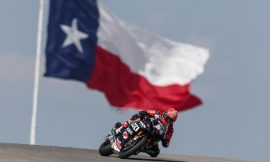
Five MotoAmerica feature classes converge on Mid-Ohio Sports Car Course this weekend, and every point earned on that 2.4-mile, 15-turn circuit could swing a championship. If you've been watching the King of the Baggers series grind through the season and wondering what separates the bikes that win from the ones that fade — this round is the tutorial.
Why Mid-Ohio Matters More Than the Standings Suggest
Mid-Ohio is not a throwaway round. The Sports Car Course sits in Lexington, Ohio, and its 2.4-mile, 15-turn layout rewards bikes that can carry corner speed AND pull hard on the exits. For the bagger classes, that combination is everything. You need suspension that doesn't wallow through the sweepers, an engine that doesn't go flat past peak torque, and brakes that bite clean without drama when you're hauling into the tighter infield sections.
That's not abstract praise for the circuit — that's a checklist for your own build. Every weakness a race bagger exposes at Mid-Ohio is the same weakness your street or canyon bike exposes when you push it. The race teams know this. The tuners know this. And if you're serious about performance, you should know it too.
With five feature classes running championship-relevant laps this weekend — including King of the Baggers — the points table is tight enough that a single mechanical failure or a single smart setup call can reshuffle the entire season. That pressure is exactly what forces teams to lean on proven hardware rather than experiment.
King of the Baggers: The Class That Changed Everything
King of the Baggers is the reason most of you are reading this. When MotoAmerica formalized the series, it forced manufacturers and aftermarket tuners to answer a real question: how fast can a full-dress touring motorcycle actually go on a road course?
The answer has been consistently surprising. These aren't stripped-down café racers in bagger costumes. They run full bodywork, functioning headlights, saddlebags — and they still pull lap times that would embarrass a lot of dedicated sport machines from a decade ago. The engineering behind that performance starts with the engine, runs through the exhaust and air management, and lands in the suspension and braking package.
For Milwaukee Eight-powered machines, the baseline displacement is 114 cubic inches, but race-spec builds push well beyond that with big-bore kits, aggressive cam timing and heavily massaged cylinder heads. Your street bike doesn't need race-spec everything, but the same fundamental upgrades — a performance cam kit matched to your displacement and riding style, paired with a high-flow air cleaner that feeds the engine what it actually wants — move the needle in ways a factory tune never will.
The Engine Package: Where Horsepower Lives
Race teams don't bolt on parts randomly. Every component in the drivetrain has a job, and those jobs are interconnected. An exhaust system that flows well but doesn't match the cam timing is leaving power on the table. A cam that's ground for peak top-end horsepower but paired with a restrictive stock intake is a waste of the machine work.
The aftermarket has largely solved this problem with matched systems — combinations of exhaust, intake and cam specs that are tuned to work together across the RPM range rather than peaking in one narrow band. For bagger racing, where the engine has to pull hard out of slow corners AND maintain velocity on longer straights, that mid-range torque curve matters as much as peak horsepower.
A full exhaust system is typically the first serious mod that changes how a touring bike breathes. Moving from the stock headpipes and mufflers to a properly designed performance system reduces backpressure, lowers weight and opens up the tuning window for everything downstream. Combine that with a fuel management tuner to correct the air-fuel ratio after the intake and exhaust changes, and you're running a fundamentally different engine response curve than factory spec.
Don't skip the tune. A free-flowing exhaust on a bike that's still running a factory fuel map is a bike that's running lean under load. That's not a performance upgrade — that's engine wear you paid for.
Suspension: The Part Most Riders Get Wrong
Here's what doesn't make the highlight reels but absolutely determines who wins at Mid-Ohio: suspension setup. A bagger is a heavy motorcycle by any measure. The stock suspension is calibrated for two-up touring comfort at highway speeds — not for 80-plus MPH corner entry on a road course, and not for the kind of hard street riding that actually tests the chassis.
Race teams run fully adjustable rear shocks with compression and rebound damping tuned to the specific corner sequences at each circuit. The spring rate, the preload, the damping curve — all of it gets dialed for the track surface and the rider's weight and riding style. When you see a King of the Baggers machine holding a clean line through a fast sweeper without the rear stepping out, that's not rider heroics alone. That's a suspension package doing its job.
For your bike, performance rear shocks are the single highest-impact chassis upgrade you can make. The difference between a well-spec'd aftermarket shock and the stock unit isn't subtle — it changes the whole character of the bike under hard riding. Pair that with a front fork spring upgrade and a proper fork oil weight refresh, and you're working with a chassis that actually responds to input rather than wallowing through it.
Brakes and the Confidence to Use Them
Mid-Ohio's infield sections include some genuinely aggressive braking zones. For a motorcycle that weighs north of 800 pounds in race trim — which is light for a bagger — late braking is both an opportunity and a risk. Teams running optimized brake packages can carry speed deeper into corners than competitors on less capable setups, which translates directly to lap time.
The stock braking hardware on most touring platforms is adequate for street use at legal speeds. It is not adequate for the kind of repeated, high-force stops that road course racing demands — or for the kind of mountain pass descents and canyon riding where your brakes are working hard lap after lap. Heat soak is the enemy. Fade at the wrong moment is dangerous.
Upgraded brake pads with a higher-temperature compound, larger or slotted rotors, and braided stainless brake lines that eliminate the mushy pedal feel of stock rubber hoses — these are the upgrades that give you actual confidence under hard braking. A performance brake pad set is one of the lower-cost, higher-reward modifications in the performance bagger toolkit, and it's one of the first things race teams sort before they even look at horsepower numbers.
The Other Four Classes and What They Tell Us
King of the Baggers gets the most attention in our world, but the other four MotoAmerica feature classes running at Mid-Ohio this weekend are worth watching for different reasons.
The production-based twin classes are particularly instructive because they run closer to stock specifications than the open bagger class. That means the margins between competitors come down to rider skill, setup precision and small-bore tuning decisions — exactly the kind of marginal gains that translate to street performance because there's no massive horsepower advantage masking chassis or suspension deficiencies.
When you watch a production twin class race and see two bikes that appear identical on paper separated by consistent half-second lap advantages, the answer is almost always in the suspension calibration, the tire pressure management and the fueling precision. Those are learnable, transferable lessons for anyone building a street performance bagger.
The hooligan-style classes also matter because they prove a point the industry has been making for years: torque wins. Big-displacement V-twins that might look agricultural compared to high-revving alternatives produce the kind of corner-exit drive that makes a heavy motorcycle feel lighter than it is. That low-end, mid-range torque is why the Milwaukee Eight platform remains dominant in bagger racing, and it's why cam timing and exhaust scavenging upgrades pay such large dividends on these engines specifically.
Championship Math at the Halfway Point
Points accumulated at Mid-Ohio don't just affect this weekend's standings — they set the trajectory for the rest of the season. In any class where the championship gap is within a race win or two, a mechanical DNF or a crash-out at this stage of the year creates a deficit that's extremely difficult to overcome in the remaining rounds.
That pressure to finish is why you see race teams making conservative setup choices at circuit mid-season. A slightly softer suspension tune that improves consistency over 20-plus laps beats an aggressive setup that might be faster in the first five laps and then unpredictable. A fuel map tuned for reliability across a range of ambient temperatures beats one optimized for peak dyno numbers on a 60-degree morning.
For your build, that translates into a philosophy: reliability and consistency are part of performance. A bike that makes 130 horsepower but runs hot under sustained load and requires constant jetting corrections isn't a performance machine — it's a project. Build it right the first time, with hardware that works as a system, and you have something that performs every time you need it to.
Build for the Track. Ride It Everywhere.
Mid-Ohio is the proving ground this weekend, but the real takeaway from watching King of the Baggers race machines work through a technical road course is that the performance bagger platform has no ceiling. These bikes are fast, they're capable, and the gap between race-spec and a well-built street machine is smaller than it's ever been — because the aftermarket has caught up.
If watching this round fires you up to finally pull the trigger on the upgrades your touring bike has been waiting for, start with the foundation: exhaust flow, cam timing, suspension calibration and fueling. Those four areas transform a stock bagger into something that actually rewards aggressive riding. Shop our performance exhaust systems and bagger suspension upgrades at vtwinbikers.com — everything your build needs to run like the machines you're watching chase a championship at Mid-Ohio.