

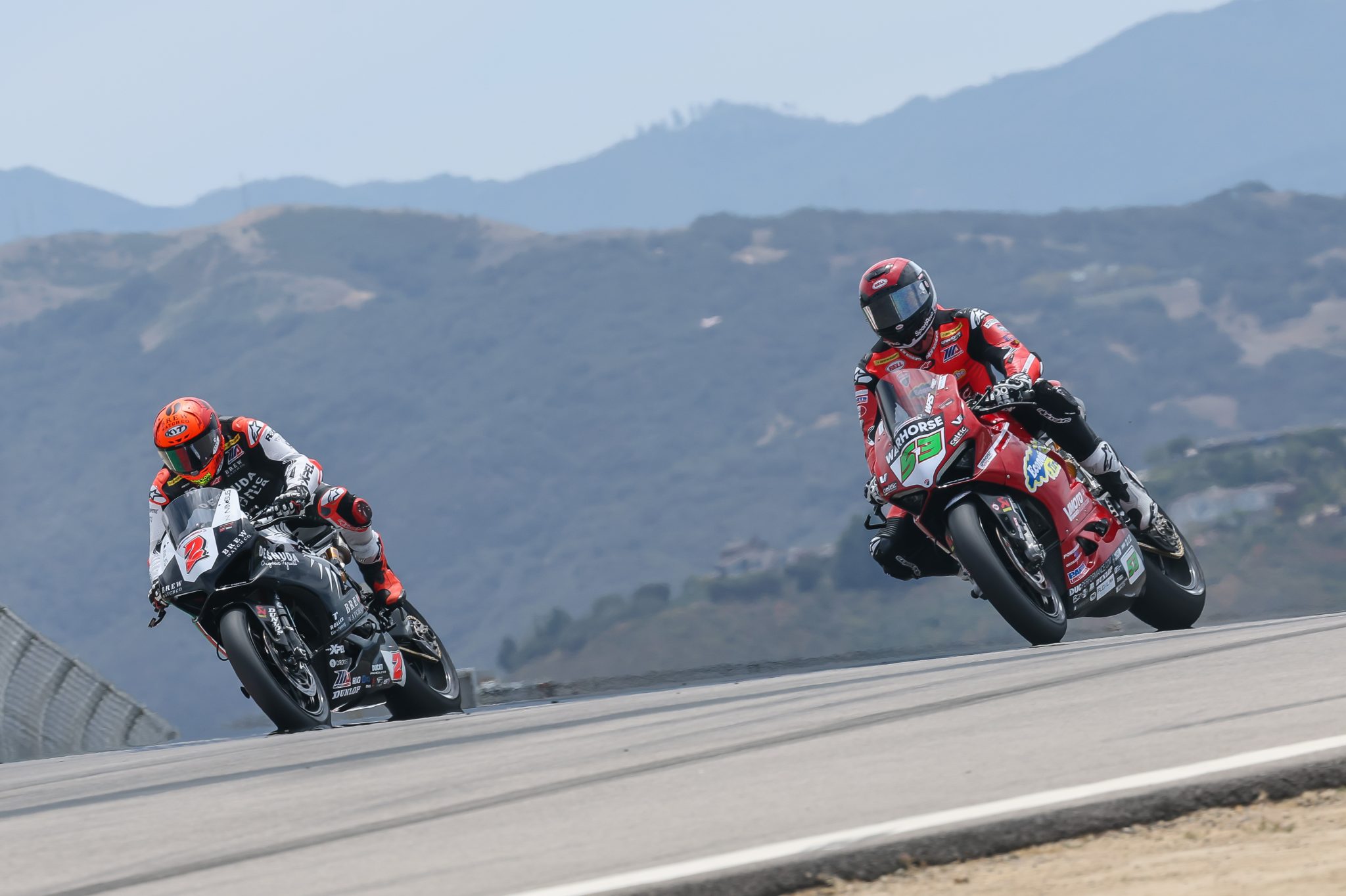
Five MotoAmerica feature classes converge at Mid-Ohio Sports Car Course this weekend, and every point on the 2.4-mile, 15-turn circuit could reshape the championship standings before the home stretch. If you've been watching the King of the Baggers series grind toward its conclusion, you already know what's at stake — one bad weekend wipes out weeks of hard-earned points, and Mid-Ohio has a reputation for sorting out who actually built their machine right.
Why Mid-Ohio Matters More Than You Think
The 2.4-mile, 15-turn Mid-Ohio Sports Car Course is not a straightforward track for a performance bagger. It's a flowing, technical layout that punishes soft suspension, rewards corner-exit power and demands a machine that's been properly sorted from nose to tail. Where a short oval might mask setup deficiencies with raw horsepower, Mid-Ohio exposes every compromise. Braking stability, mid-corner composure, drive off slower hairpins — this track tests the full package.
For the King of the Baggers class specifically, that means the bikes that show up with dialed suspension, stage-correct engine builds and properly mapped fuel systems are going to separate themselves from the field by lap two. The riders who ran conservative setups at earlier rounds to protect their points lead now have to decide whether to push harder or manage the gap. That tension is exactly what makes a mid-season championship round worth watching — and worth studying if you're building your own bagger for the street or the track.
Five Classes, Five Championship Fights
MotoAmerica isn't running a one-class show at Mid-Ohio. Five feature classes are on the card, and each one tells you something different about where production-based American V-twin performance is headed.
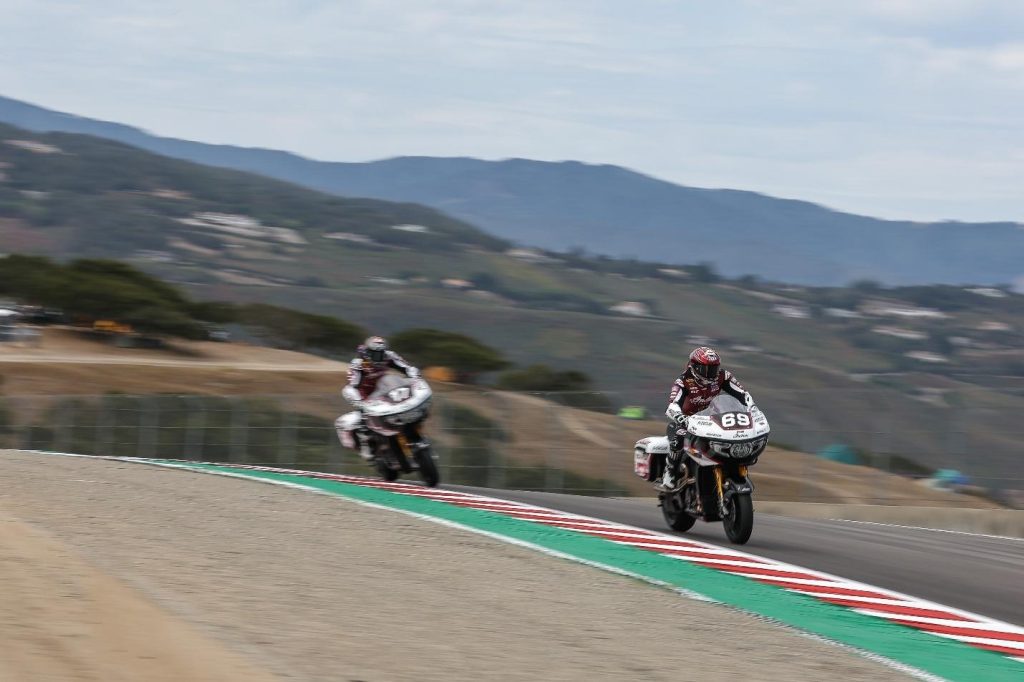
The King of the Baggers class is the one that directly maps to what we sell and what you ride. These are full-dress touring machines — Road Glides, Street Glides — stripped to the minimum legal weight, fitted with race-spec suspension, and powered by Milwaukee Eight engines that have been taken as far as the rulebook allows. The speeds these bikes carry through Mid-Ohio's sweepers are a direct result of the same categories of parts you can bolt onto your machine: exhaust systems, air cleaners, camshafts, fuel management, suspension upgrades.
The other four feature classes — middleweight, production twins, hooligan and whatever additional iron MotoAmerica has slotted — round out a weekend that demonstrates the full breadth of American motorcycle racing. But for this audience, the baggers are the main event.
What the Race Bikes Tell You About Your Build
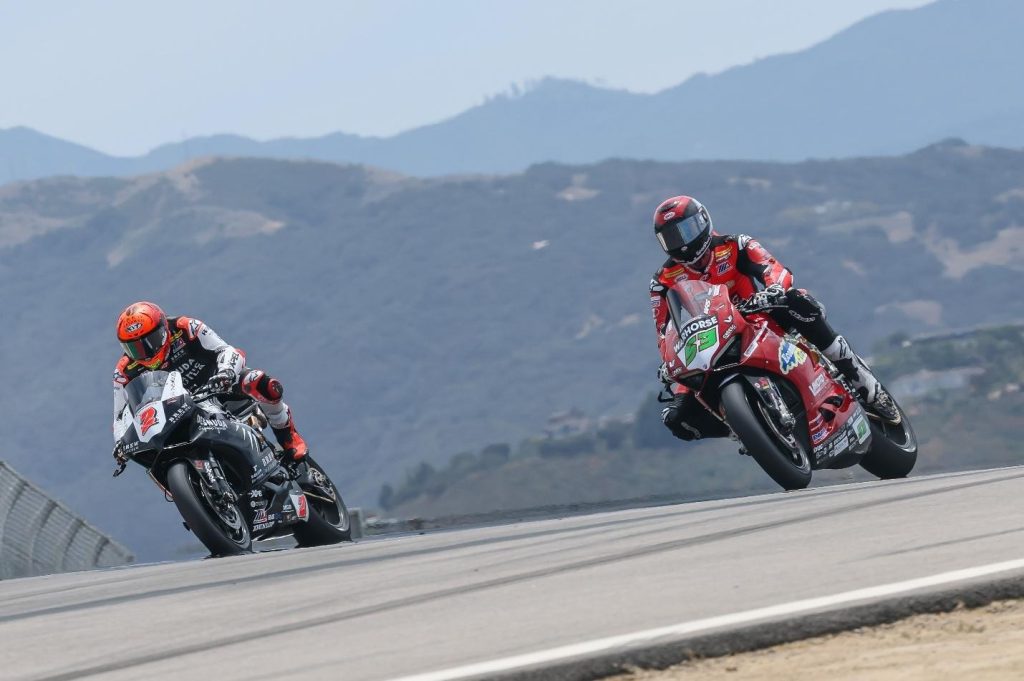
Here's how to watch a King of the Baggers round if you want to get something useful out of it beyond entertainment: pay attention to where the lead bikes pull away and where the mid-pack machines fall back. It won't be on the longest straight. It'll be at corner exit, in the braking zones, and through the technical sequences where the bike has to change direction on a heavy chassis.
Exhaust and Airflow — Still the First Mod
Every competitive King of the Baggers machine runs a full exhaust system. There is no version of this conversation where the stock mufflers stay on a performance build. The Milwaukee Eight platform responds to exhaust upgrades because the factory tune is written around a restrictive stock system — open up the flow and you've created an imbalance that a proper tune will then fill in with real horsepower. A full exhaust system is where the power conversation starts, not ends. The race bikes prove this every weekend.
Pair that exhaust with a high-flow air cleaner and you've addressed both sides of the breathing equation. The engine wants to pull more air in and push more gas out — restrict either end and you've left power on the table that the race teams are already collecting.
Suspension Is the Dirty Secret
The most underrated element of what makes a King of the Baggers machine fast at a technical track like Mid-Ohio is suspension. These bikes weigh what they weigh — you're not turning a touring bagger into a 400-pound sportbike. But you can make the chassis work instead of fight you. Race teams run fully adjustable units front and rear, dialed for the specific demands of each circuit.
For street riders, the lesson is the same even if the budget is different. Performance rear shocks transform how a touring bike handles under hard riding — better feedback, more confidence in corners, and reduced wallowing under braking. If your Road Glide or Street Glide still has the stock suspension and you've done anything else to increase power, you've created a machine that goes faster than it stops or turns. That's a problem the race teams solved before they ever turned a lap.
The Engine Build Ladder
Watch the dyno numbers that come out of a competitive King of the Baggers season and you'll see what the Milwaukee Eight platform is capable of when it's properly developed. The path from stock to race-ready is well-documented: it starts with bolt-ons, moves through cam swaps and compression work, and at the top end involves displacement increases and forced induction.
For most performance street builds, the cam swap is where things get serious. A performance camshaft for the Milwaukee Eight changes the character of the engine more than almost any other single part — it alters when the power comes on, how it pulls through the mid-range, and what the top end feels like. Race teams know this. They spend more time selecting and testing cam profiles than almost any other engine component.
If you're further along in your build and looking at displacement, big bore kits for the Milwaukee Eight platform give you the cubic inches that make the cam work even harder. More displacement means more torque, and more torque on a bagger — a machine that lives in the mid-range — means a faster, more satisfying motorcycle in every situation.
Fuel Management: The Piece That Ties It Together
Here's where a lot of street builds stall out. Riders add exhaust, swap the air cleaner, maybe even do a cam — and then try to run it all on a tune that was written for a stock motorcycle. The result is a machine that's rich in some spots, lean in others, and never makes the power the parts are capable of delivering.
Every King of the Baggers machine runs custom tuning. That's not a luxury at that level — it's a requirement. For your build, a fuel management tuner closes the loop on every other performance part you've installed. It lets the engine see the airflow it's actually getting and meter fuel accordingly. Without it, you're leaving power on the table and potentially running a tune that's hard on the engine.
This is the part that separates a collection of performance parts from an actual performance build. The race teams at Mid-Ohio aren't just bolting on components — they're optimizing the system. Your street bike deserves the same approach.
Brakes: The Other Half of Going Fast
Mid-Ohio has real braking zones — turns where the race bikes are scrubbing significant speed from high-velocity runs down into tight corners. The King of the Baggers machines handle this with upgraded brake systems that can manage the thermal load of repeated hard stops on a heavy touring bike.
For street riders, upgraded brakes aren't just a track consideration. A heavier motorcycle with more power needs more stopping capability. Performance brake upgrades — whether that's rotors, pads or calipers — give you the margin you need when you're riding hard. The race teams at Mid-Ohio aren't slowing down for the braking zones because they like it — they're slowing down because they've built machines that can do it reliably, lap after lap.
Points, Pressure and the Championship Picture
What makes a mid-season round at a track like Mid-Ohio different from an early-season event is the pressure. By this point in the MotoAmerica calendar, the championship picture is clear enough that every rider knows exactly what they need to do. Points leaders are managing risk. Chasers are pushing harder than they might otherwise. And the machines that have been well-sorted all season start to show their advantage over builds that were rushed or compromised.
For the King of the Baggers class, that means the bikes with the best-developed packages — not necessarily the most expensive, but the most coherently built — are going to run at the front. A bike that makes big peak horsepower but has soft suspension and an inconsistent tune is going to get eaten alive at Mid-Ohio by a machine that's 10 horsepower down but hooks up cleanly at every corner exit.
That's the lesson for your own build. Coherence matters. Every part needs to work with every other part, and the tune needs to reflect the actual state of the engine. Race teams spend entire seasons learning this. You can shortcut that education by building thoughtfully from the start.
Build Your Bagger to Race Specs — Or Close Enough
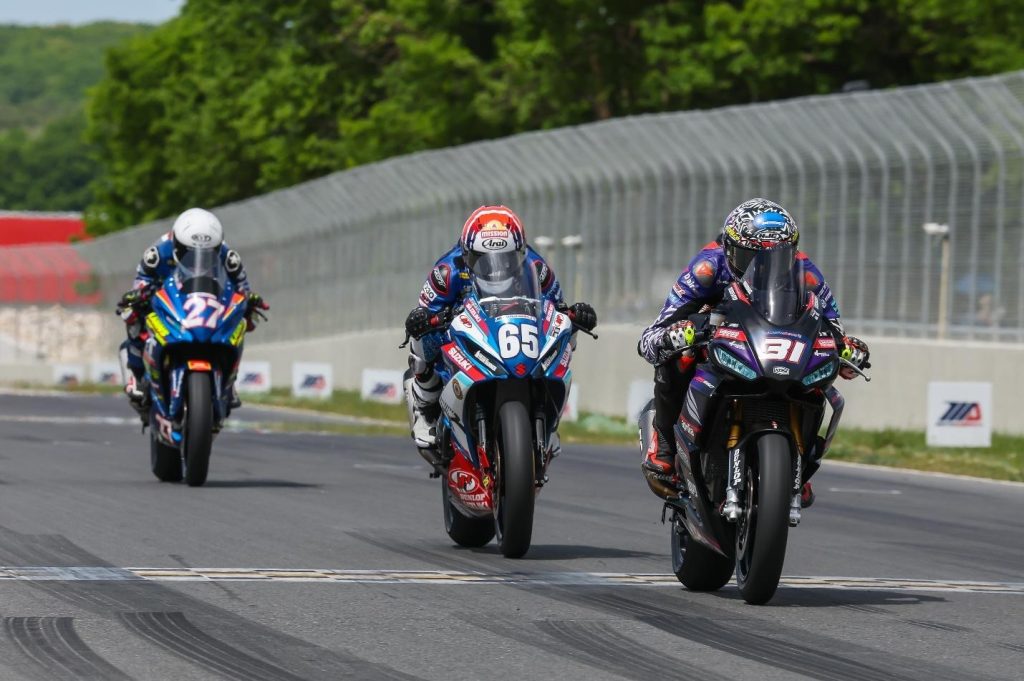
You're probably not racing at Mid-Ohio. But the riders who are racing there are showing you exactly what a properly developed Milwaukee Eight touring bike is capable of — and the parts categories that separate the fast machines from the also-rans map directly onto what you can do with your Road Glide or Street Glide.
Start with the exhaust and air cleaner. Get the tune sorted. Add a cam when you're ready to step up. Address the suspension before you go any further with power. And don't forget that brakes are part of the performance equation, not an afterthought.
Every part on a King of the Baggers race machine exists because it makes the bike faster, more reliable or better to ride. The same logic applies to your build. Shop our performance exhaust systems and bagger suspension upgrades at vtwinbikers.com — built for the riders who take performance seriously, whether the finish line is a race circuit or the next long canyon run.